

Get in Contact with Us Today!

Fill out the form below or call  (970) 592-8298 to get started.

Get in Contact with Us Today!

Our Services

November 6, 2026
EV Charger Installation Guide for Grand Junction Drivers
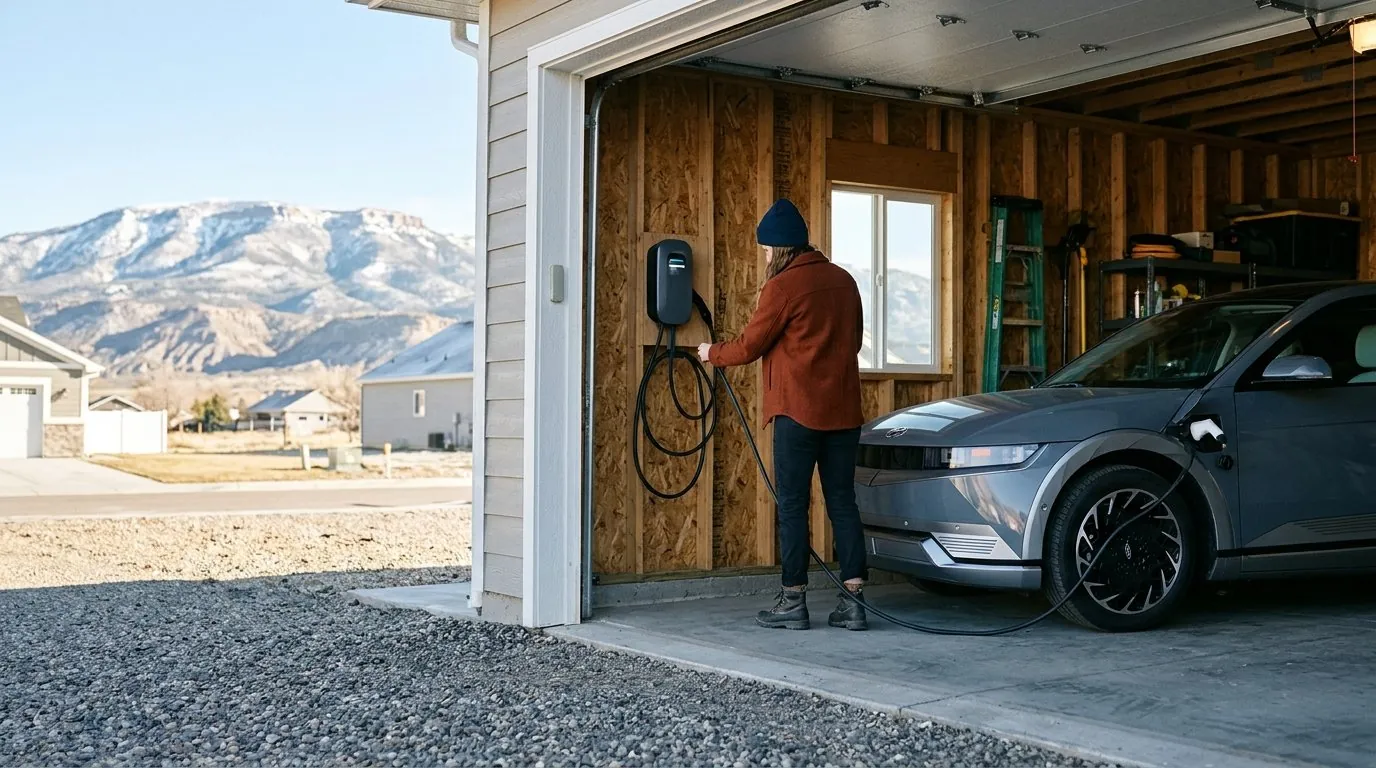
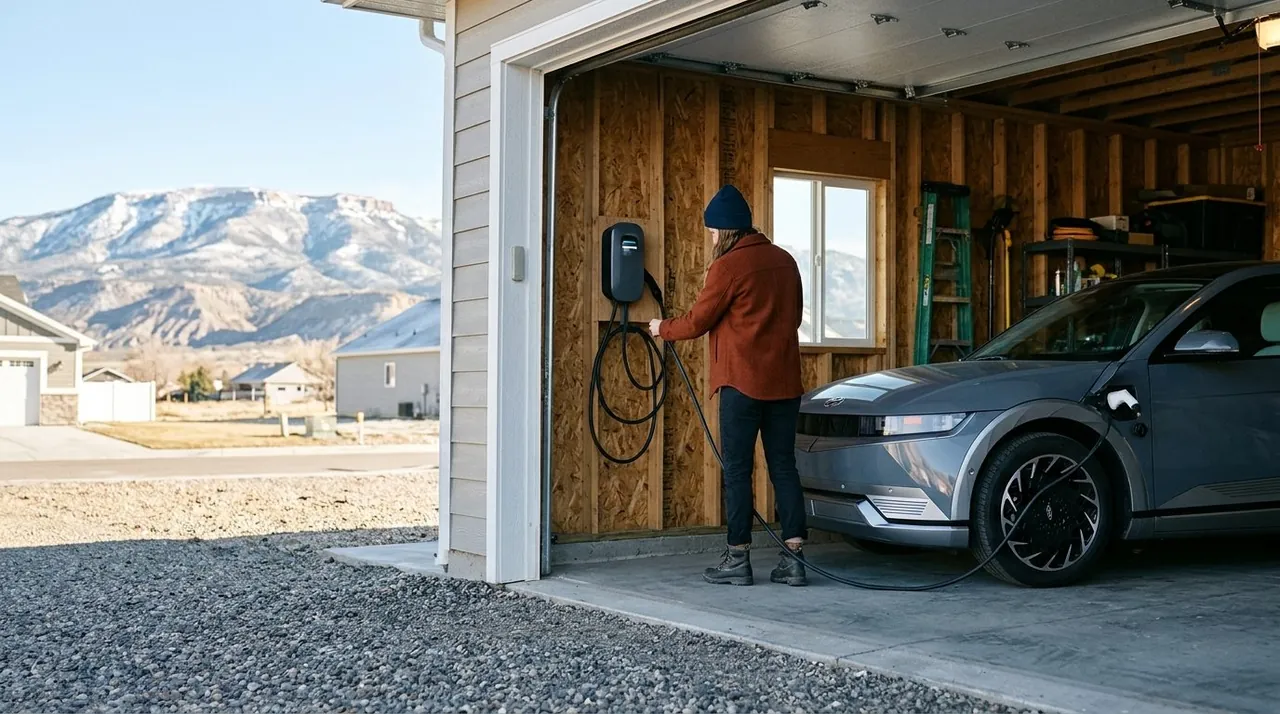
A person unhooks the cable from a wall-mounted Level 2 charger in an open garage and walks it out to a grey electric SUV on the driveway, snow-dusted mesa country behind the house

A Level 2 EV charger installation needs a dedicated circuit sized for your vehicle's amperage, not a standard wall outlet. Skipping that step is the fastest way to trip breakers or stress your home's electrical panel.


Colorado has set an ambitious goal of nearly a million EVs on the road by 2026. Grand Junction sits at the junction of I-70 and US 50, two major travel corridors. The city has adopted an EV Readiness Plan to keep pace with charging demand. More drivers across the area are plugging in at home. The gap between a quick outlet swap and a properly engineered charging circuit is becoming impossible to ignore.

Why Level 1 Outlets Fall Short

Most new EVs arrive with a standard 120V cord for emergency use only. It works, but slowly, often adding just a handful of miles per hour of charging.


Modern battery packs are bigger than ever. Relying on a Level 1 outlet daily means long waits. In many households, that outlet wasn't designed for this kind of sustained draw.


Level 2 charging, run on a dedicated 240V circuit, cuts charging time dramatically. For commuters driving between Grand Junction, Fruita, Palisade, or Delta throughout the week, that difference matters.

What a Proper EV Charger Installation Involves

A safe EV charger installation starts with an assessment of your home's existing electrical capacity, not just mounting a charger on the wall.

Here's what that typically includes:

  • Evaluating your panel's available amperage and remaining breaker space
  • Running a dedicated circuit sized correctly for your charger's output
  • Installing proper overcurrent protection and grounding
  • Positioning the charger for safe cord reach to your parking spot
  • Testing the full circuit under load before calling the job done


Retrofitting a high-voltage charger onto an undersized or outdated circuit often leads to frequent breaker trips and voltage drops. Left unaddressed, that kind of strain can become a genuine troubleshooting hazard.

When Your Panel Can't Keep Up

Plenty of homes across the area still run on older 60-amp or 100-amp panels. Those panels were fine for a previous generation of appliances, but they weren't built for today's electrified household.


Add an EV charger to a home that's also running a heat pump, an induction range, or a hot tub. An older panel can quickly reach its limit. Warning signs include breakers that trip during charging, warm outlets, or flickering lights when the charger kicks on.


If any of those sound familiar, a panel upgrade conversation is worth having before the charger goes in. Trying to force a high-draw charger onto insufficient capacity rarely ends well, and it can create real fire risk over time.

Timing Your Installation Before Winter Driving Season

November in Grand Junction means shorter days and colder mornings, which is exactly when reliable overnight charging starts to matter most. Cold weather already reduces EV range and charging efficiency, so a sluggish Level 1 setup becomes even more frustrating.


Getting a Level 2 charger installed now means waking up to a full battery through the winter months ahead. It also means one less thing to worry about when icy conditions hit. Every mile of range counts, whether you're commuting locally or heading toward Telluride or Aspen.

Choosing the Right Charger for Your Home

Not every Level 2 charger is a match for every home or vehicle.

A few things worth considering:

  1. Amperage rating. Higher amperage charges faster but demands more from your panel.
  2. Hardwired vs. plug-in units. Hardwired chargers tend to be more durable for daily outdoor use.
  3. Smart features. Scheduling and app connectivity can help you charge during off-peak hours.
  4. Mounting location. Indoor garages and outdoor carports have different weatherproofing needs.


A licensed electrician can walk through these options based on your vehicle, your panel, and your daily driving habits. Customers often mention how much they appreciate having the process explained clearly, rather than being handed a quote with no context.

Frequently Asked Questions

  • Does every EV charger installation require a permit?

    In most jurisdictions across the area, yes. Electrical work involving a new dedicated circuit typically requires a permit and inspection to confirm it meets current code.

  • Can my existing 100-amp panel handle an EV charger?

    It depends on your home's total electrical load. Some 100-amp panels have room for a charger, while others need an upgrade first to avoid overloading the system.

  • How long does a typical home installation take?

    Many residential installations are completed in a single day, though homes needing panel upgrades or longer circuit runs may take a bit longer.

  • Is a hardwired charger better than a plug-in model?

    Hardwired units generally handle outdoor exposure and daily cycling better over time, though plug-in models offer more flexibility if you move or change vehicles.

  • What happens if I skip professional installation?

    DIY or unlicensed installs increase the risk of tripped breakers, voltage drops, and overheated wiring, which can become a safety hazard rather than a convenience.

If you're ready to charge faster and protect your home's electrical system, Integrative Electric can help. We'll evaluate your panel and get a Level 2 charger installed before winter driving sets in. Reach out today to schedule an assessment.

Don’t delay.

Contact us today!

Integrative Electric

Get in Contact with Us Today!

Fill out the form below or call  (970) 592-8298 to get started.

Get in Contact with Us Today!

Our Services

November 6, 2026
EV Charger Installation Guide for Grand Junction Drivers
A person unhooks the cable from a wall-mounted Level 2 charger in an open garage and walks it out to a grey electric SUV on the driveway, snow-dusted mesa country behind the house

A Level 2 EV charger installation needs a dedicated circuit sized for your vehicle's amperage, not a standard wall outlet. Skipping that step is the fastest way to trip breakers or stress your home's electrical panel.


Colorado has set an ambitious goal of nearly a million EVs on the road by 2026. Grand Junction sits at the junction of I-70 and US 50, two major travel corridors. The city has adopted an EV Readiness Plan to keep pace with charging demand. More drivers across the area are plugging in at home. The gap between a quick outlet swap and a properly engineered charging circuit is becoming impossible to ignore.

Why Level 1 Outlets Fall Short

Most new EVs arrive with a standard 120V cord for emergency use only. It works, but slowly, often adding just a handful of miles per hour of charging.


Modern battery packs are bigger than ever. Relying on a Level 1 outlet daily means long waits. In many households, that outlet wasn't designed for this kind of sustained draw.


Level 2 charging, run on a dedicated 240V circuit, cuts charging time dramatically. For commuters driving between Grand Junction, Fruita, Palisade, or Delta throughout the week, that difference matters.

What a Proper EV Charger Installation Involves

A safe EV charger installation starts with an assessment of your home's existing electrical capacity, not just mounting a charger on the wall.

Here's what that typically includes:

  • Evaluating your panel's available amperage and remaining breaker space
  • Running a dedicated circuit sized correctly for your charger's output
  • Installing proper overcurrent protection and grounding
  • Positioning the charger for safe cord reach to your parking spot
  • Testing the full circuit under load before calling the job done


Retrofitting a high-voltage charger onto an undersized or outdated circuit often leads to frequent breaker trips and voltage drops. Left unaddressed, that kind of strain can become a genuine troubleshooting hazard.

When Your Panel Can't Keep Up

Plenty of homes across the area still run on older 60-amp or 100-amp panels. Those panels were fine for a previous generation of appliances, but they weren't built for today's electrified household.


Add an EV charger to a home that's also running a heat pump, an induction range, or a hot tub. An older panel can quickly reach its limit. Warning signs include breakers that trip during charging, warm outlets, or flickering lights when the charger kicks on.


If any of those sound familiar, a panel upgrade conversation is worth having before the charger goes in. Trying to force a high-draw charger onto insufficient capacity rarely ends well, and it can create real fire risk over time.

Timing Your Installation Before Winter Driving Season

November in Grand Junction means shorter days and colder mornings, which is exactly when reliable overnight charging starts to matter most. Cold weather already reduces EV range and charging efficiency, so a sluggish Level 1 setup becomes even more frustrating.


Getting a Level 2 charger installed now means waking up to a full battery through the winter months ahead. It also means one less thing to worry about when icy conditions hit. Every mile of range counts, whether you're commuting locally or heading toward Telluride or Aspen.

Choosing the Right Charger for Your Home

Not every Level 2 charger is a match for every home or vehicle.

A few things worth considering:

  1. Amperage rating. Higher amperage charges faster but demands more from your panel.
  2. Hardwired vs. plug-in units. Hardwired chargers tend to be more durable for daily outdoor use.
  3. Smart features. Scheduling and app connectivity can help you charge during off-peak hours.
  4. Mounting location. Indoor garages and outdoor carports have different weatherproofing needs.


A licensed electrician can walk through these options based on your vehicle, your panel, and your daily driving habits. Customers often mention how much they appreciate having the process explained clearly, rather than being handed a quote with no context.

Frequently Asked Questions

  • Does every EV charger installation require a permit?

    In most jurisdictions across the area, yes. Electrical work involving a new dedicated circuit typically requires a permit and inspection to confirm it meets current code.

  • Can my existing 100-amp panel handle an EV charger?

    It depends on your home's total electrical load. Some 100-amp panels have room for a charger, while others need an upgrade first to avoid overloading the system.

  • How long does a typical home installation take?

    Many residential installations are completed in a single day, though homes needing panel upgrades or longer circuit runs may take a bit longer.

  • Is a hardwired charger better than a plug-in model?

    Hardwired units generally handle outdoor exposure and daily cycling better over time, though plug-in models offer more flexibility if you move or change vehicles.

  • What happens if I skip professional installation?

    DIY or unlicensed installs increase the risk of tripped breakers, voltage drops, and overheated wiring, which can become a safety hazard rather than a convenience.

If you're ready to charge faster and protect your home's electrical system, Integrative Electric can help. We'll evaluate your panel and get a Level 2 charger installed before winter driving sets in. Reach out today to schedule an assessment.

Don’t delay.

Contact us today!

Integrative Electric

Get in Contact with Us Today!

Fill out the form below or call  (970) 592-8298 to get started.

Get in Contact with Us Today!

Our Services

November 6, 2026

EV Charger Installation Guide for Grand Junction Drivers

A person unhooks the cable from a wall-mounted Level 2 charger in an open garage and walks it out to a grey electric SUV on the driveway, snow-dusted mesa country behind the house

A Level 2 EV charger installation needs a dedicated circuit sized for your vehicle's amperage, not a standard wall outlet. Skipping that step is the fastest way to trip breakers or stress your home's electrical panel.


Colorado has set an ambitious goal of nearly a million EVs on the road by 2026. Grand Junction sits at the junction of I-70 and US 50, two major travel corridors. The city has adopted an EV Readiness Plan to keep pace with charging demand. More drivers across the area are plugging in at home. The gap between a quick outlet swap and a properly engineered charging circuit is becoming impossible to ignore.

Why Level 1 Outlets Fall Short

Most new EVs arrive with a standard 120V cord for emergency use only. It works, but slowly, often adding just a handful of miles per hour of charging.


Modern battery packs are bigger than ever. Relying on a Level 1 outlet daily means long waits. In many households, that outlet wasn't designed for this kind of sustained draw.


Level 2 charging, run on a dedicated 240V circuit, cuts charging time dramatically. For commuters driving between Grand Junction, Fruita, Palisade, or Delta throughout the week, that difference matters.

What a Proper EV Charger Installation Involves

A safe EV charger installation starts with an assessment of your home's existing electrical capacity, not just mounting a charger on the wall.

Here's what that typically includes:

  • Evaluating your panel's available amperage and remaining breaker space
  • Running a dedicated circuit sized correctly for your charger's output
  • Installing proper overcurrent protection and grounding
  • Positioning the charger for safe cord reach to your parking spot
  • Testing the full circuit under load before calling the job done


Retrofitting a high-voltage charger onto an undersized or outdated circuit often leads to frequent breaker trips and voltage drops. Left unaddressed, that kind of strain can become a genuine troubleshooting hazard.

When Your Panel Can't Keep Up

Plenty of homes across the area still run on older 60-amp or 100-amp panels. Those panels were fine for a previous generation of appliances, but they weren't built for today's electrified household.


Add an EV charger to a home that's also running a heat pump, an induction range, or a hot tub. An older panel can quickly reach its limit. Warning signs include breakers that trip during charging, warm outlets, or flickering lights when the charger kicks on.


If any of those sound familiar, a panel upgrade conversation is worth having before the charger goes in. Trying to force a high-draw charger onto insufficient capacity rarely ends well, and it can create real fire risk over time.

Timing Your Installation Before Winter Driving Season

November in Grand Junction means shorter days and colder mornings, which is exactly when reliable overnight charging starts to matter most. Cold weather already reduces EV range and charging efficiency, so a sluggish Level 1 setup becomes even more frustrating.


Getting a Level 2 charger installed now means waking up to a full battery through the winter months ahead. It also means one less thing to worry about when icy conditions hit. Every mile of range counts, whether you're commuting locally or heading toward Telluride or Aspen.

Choosing the Right Charger for Your Home

Not every Level 2 charger is a match for every home or vehicle.

A few things worth considering:

  1. Amperage rating. Higher amperage charges faster but demands more from your panel.
  2. Hardwired vs. plug-in units. Hardwired chargers tend to be more durable for daily outdoor use.
  3. Smart features. Scheduling and app connectivity can help you charge during off-peak hours.
  4. Mounting location. Indoor garages and outdoor carports have different weatherproofing needs.


A licensed electrician can walk through these options based on your vehicle, your panel, and your daily driving habits. Customers often mention how much they appreciate having the process explained clearly, rather than being handed a quote with no context.

Frequently Asked Questions

  • Does every EV charger installation require a permit?

    In most jurisdictions across the area, yes. Electrical work involving a new dedicated circuit typically requires a permit and inspection to confirm it meets current code.

  • Can my existing 100-amp panel handle an EV charger?

    It depends on your home's total electrical load. Some 100-amp panels have room for a charger, while others need an upgrade first to avoid overloading the system.

  • How long does a typical home installation take?

    Many residential installations are completed in a single day, though homes needing panel upgrades or longer circuit runs may take a bit longer.

  • Is a hardwired charger better than a plug-in model?

    Hardwired units generally handle outdoor exposure and daily cycling better over time, though plug-in models offer more flexibility if you move or change vehicles.

  • What happens if I skip professional installation?

    DIY or unlicensed installs increase the risk of tripped breakers, voltage drops, and overheated wiring, which can become a safety hazard rather than a convenience.

If you're ready to charge faster and protect your home's electrical system, Integrative Electric can help. We'll evaluate your panel and get a Level 2 charger installed before winter driving sets in. Reach out today to schedule an assessment.

Don’t delay.

Contact us today!

Integrative Electric